
How to Grow Customer Loyalty in Retail
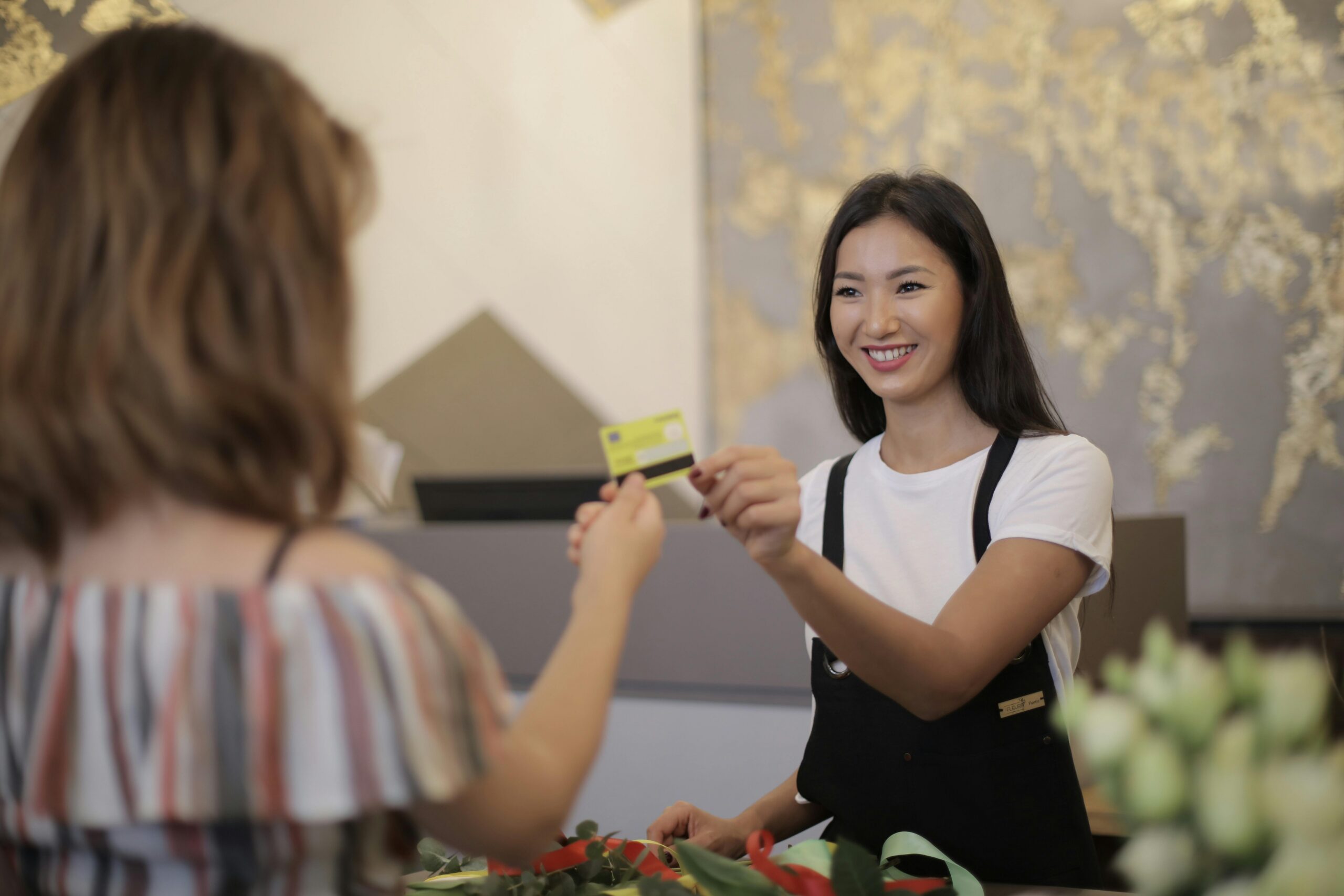
Most retailers focus on getting new customers through the door. New customers mean new revenue, and that logic makes sense. But the most profitable retail businesses are not necessarily the ones with the most foot traffic. They are the ones whose customers keep coming back.
A loyal customer spends more per visit, costs less to retain than a new customer costs to acquire, and is far more likely to recommend your store to someone else. A 5% increase in customer retention can increase profits by anywhere between 25% and 95%.
Yet for most independent retailers, loyalty is treated as an afterthought. A points card sitting near the register. A program that was set up once and never really looked at again.
This guide covers what actually drives customer loyalty in retail, why most loyalty programs underdeliver, and what you can do to build something that genuinely keeps customers coming back.
In This Guide
- Why customer loyalty matters more than ever
- Why most loyalty programs fail
- What actually drives customers to come back
- How to set up a loyalty program that works
- Loyalty across online and in-store: why it has to be connected
- How to know if your loyalty efforts are working
- Quick checklist: where to start
Why Customer Loyalty Matters More Than Ever
Retail has always been competitive. But the pressure on independent retailers today is different. Customers have more options than ever. Online alternatives, global marketplaces, and competing local stores are all fighting for the same wallet. And switching from one store to another has never been easier.
In this environment, a customer who walks in once and never returns is not just a missed opportunity. It is an expensive one.
Acquiring a new customer costs significantly more than retaining an existing one. A loyal customer who visits regularly, spends more per transaction, and refers friends is worth many times more to your business than a one-time buyer who found you through a promotion and never came back.
The numbers reflect this clearly:
- Repeat customers account for up to 65% of revenue for most retail businesses
- 83% of customers say belonging to a loyalty program influences their decision to buy again
- Word of mouth from loyal customers influences up to 50% of all purchase decisions
- Increasing customer retention by just 5% can increase profits by 25% to 95%
Loyalty is not just a nice-to-have. It is one of the most direct levers for sustainable retail growth — and one of the most overlooked.
Why Most Loyalty Programs Fail
Here is something worth knowing before setting up or improving a loyalty program. Consumers on average are members of almost 15 loyalty programs, but actively use fewer than 7.
That means more than half the programs customers sign up for get ignored. And there are consistent reasons why.
- Rewards accumulate too slowly. If a customer needs to spend hundreds before earning anything meaningful, they disengage before they ever redeem. The reward feels theoretical rather than real.
- Redemption is too complicated. If customers have to remember a card, log into an app, or ask staff to manually apply points, the friction kills the experience. Loyalty should feel effortless, not like homework.
- The program feels generic. A points-for-purchases system with no personalisation is easy to forget. Customers are loyal to stores that make them feel known, not stores that treat them the same as everyone else.
- It only works in one place. If a customer earns points in-store but cannot use them on your website, or vice versa, the program feels disconnected. Modern retail customers move between channels without thinking about it. Your loyalty program needs to move with them.
Understanding why programs fail is the first step to building one that works.
What Actually Drives Customers to Come Back
A loyalty program is a tool. But the loyalty itself comes from something deeper. The experience a customer has every time they interact with your store.
The retailers who consistently retain customers are not always the ones with the most sophisticated points system. They are the ones who:
- Make customers feel recognised. When a staff member remembers a returning customer, greets them by name, or recalls what they bought last time, it creates a connection that no discount can replicate. A retail POS system stores customer purchase history and purchase patterns across every visit. That data makes personalised service possible without relying on memory.
- Deliver a consistent experience. Customers return to stores where they know what to expect. Consistent product quality, consistent service, and a consistent checkout experience all build the kind of trust that keeps people coming back.
- Communicate relevantly. Generic promotional emails get ignored. A message that references what a customer actually buys gets opened and acted on. Your customer data makes this possible without a big marketing budget.
- Make checkout easy. A slow, complicated, or unreliable checkout experience undermines everything that came before it. Customers notice friction even when they do not say anything about it.
- Train staff to engage. Staff who know how to welcome returning customers, mention the loyalty program naturally, and suggest relevant products based on past purchases turn a transactional interaction into a reason to come back. This is one of the highest-return investments a retailer can make and it costs nothing but time.
Loyalty programs work best when they sit on top of an already good retail experience. They reinforce loyalty. They do not create it from scratch.
How to Set Up a Loyalty Program That Works
A loyalty program does not need to be complex to be effective. The most successful retail loyalty programs are simple, rewarding, and easy for both staff and customers to use.
Keep the earning structure simple. Customers should be able to understand how they earn points in one sentence. Complicated multi-tier earning structures with category exclusions confuse customers and reduce engagement.
Make rewards feel achievable. Set reward thresholds that feel within reach, something a regular customer can earn within two or three visits. If customers need to spend a large amount before earning anything, most will give up before they get there.
Use tiered levels thoughtfully. A Bronze, Silver, Gold structure gives customers something to work toward. Each level should offer genuinely better perks: early access to new stock, exclusive discounts, or a small gift at the next tier. The key is making the next level feel worth reaching.
Add personal touches. Birthday offers, anniversary rewards, and personalised discounts based on purchase history cost very little to set up but create a strong emotional connection. A customer who receives a birthday discount feels valued, not marketed to.
Include gift cards and store credit. Gift cards bring new customers into your store and store credit keeps existing ones coming back. Both work as loyalty tools when they are connected to your main payments and checkout flow — applied automatically, tracked accurately, and visible to staff and customers at the counter without any manual workaround.
Promote it at every touchpoint. A loyalty program nobody knows about does not work. Mention it at checkout, display it in store, and include it in your email communications. Staff should be comfortable explaining it and encouraging customers to join.
Loyalty Across Online and In-Store: Why It Has to Be Connected
One of the most common loyalty mistakes retailers make when they start selling across multiple channels is running their online and in-store loyalty as two separate things.
A customer who shops in your physical store earns points there. They visit your online store and find their points do not apply. So they feel no incentive to shop online, or worse, they feel like a different customer depending on where they buy.
This disconnect quietly erodes loyalty rather than building it.
Connected loyalty means:
- Points earned in-store are visible and redeemable online
- Points earned online apply the moment a customer walks into your physical store
- Customer profiles including purchase history, reward balance, and preferences are the same across every channel
- A promotion running in-store is reflected online automatically
When loyalty is unified across channels, customers do not have to think about where they are shopping. They just know that every purchase, wherever it happens, counts toward their relationship with your store.
Selling online and in-store from one connected system makes this seamless. Customer profiles, loyalty balances, and purchase history stay in sync automatically so your loyalty program works everywhere your customers shop, without any manual reconciliation on your end.
How to Know If Your Loyalty Efforts Are Working
Setting up a loyalty program is only useful if you can tell whether it is actually driving the behaviour you want. These are the metrics worth tracking:
- Repeat Purchase Rate. What percentage of customers come back within 30, 60, or 90 days? A rising repeat purchase rate is the clearest signal that loyalty efforts are working. A flat or declining rate means something needs attention.
- Average Order Value for loyalty members vs non-members. Loyal customers should spend more per transaction than first-time buyers. If they are not, your program is not incentivising the right behaviour.
- Redemption rate. What percentage of earned points are actually being redeemed? A very low redemption rate usually means customers are not engaged. Either rewards are too hard to reach or the process is too complicated.
- Enrollment to active use ratio. How many customers sign up vs how many actually use the program within the first month? A big drop-off between signing up and engaging is a sign the onboarding experience or reward structure needs work.
- Customer Lifetime Value. How much does the average customer spend across their entire relationship with your store? Loyalty programs should increase this over time. Track it annually to see whether retention efforts are translating into real revenue growth.
A retail POS system with built-in customer reporting makes these metrics accessible without needing a separate analytics tool. The data is already there. It just needs to be looked at regularly.
Growing Loyalty Does Not Require a Big Budget
Independent retailers often assume that loyalty programs are something larger chains do. They assume it requires sophisticated software, big marketing budgets, or a dedicated team to manage.
It does not.
The foundations of strong customer loyalty are surprisingly simple. Recognise your returning customers. Reward them in ways that feel personal. Make it easy to earn and redeem. Keep the experience consistent whether they are shopping in store or online.
A connected retail system handles the technical side automatically, tracking customer purchases, calculating points, sending reward notifications, and keeping loyalty data in sync across every channel. What it cannot do is the human part: training staff to make customers feel welcome, creating a store environment worth returning to, and building a product range that keeps people engaged.
The stores that do both, great experience backed by the right system, are the ones that turn first-time buyers into regulars and regulars into advocates.
Quick Checklist: Where to Start
Before you move on, here is what to focus on first:
- Set up a simple points structure customers can understand in one sentence
- Make sure reward thresholds feel achievable within 2 to 3 visits
- Add at least one personal touch: a birthday offer, first purchase bonus, or purchase-based discount
- Include gift cards or store credit as part of your loyalty offering
- Check that loyalty works across both your in-store and online channels
- Train staff to mention the program at checkout and encourage sign-ups
- Review your repeat purchase rate monthly. Is it moving in the right direction?
- Look at redemption rates. If they are low, the program needs simplifying
Building Loyalty Is a Long Game
Customer loyalty does not happen overnight. It is built transaction by transaction, visit by visit, through every interaction a customer has with your store.
The retailers who invest in it consistently, not just with a points program but with genuine attention to experience, personalisation, and convenience, end up with something no competitor can easily take away. A customer base that chooses to come back, spends more when they do, and brings others with them.
If you are ready to see how a connected retail platform handles loyalty, payments, and customer data all in one place, book a free demo and we will walk you through it.