
Retail vs. E-Commerce: Key Differences & Which One is Right for You
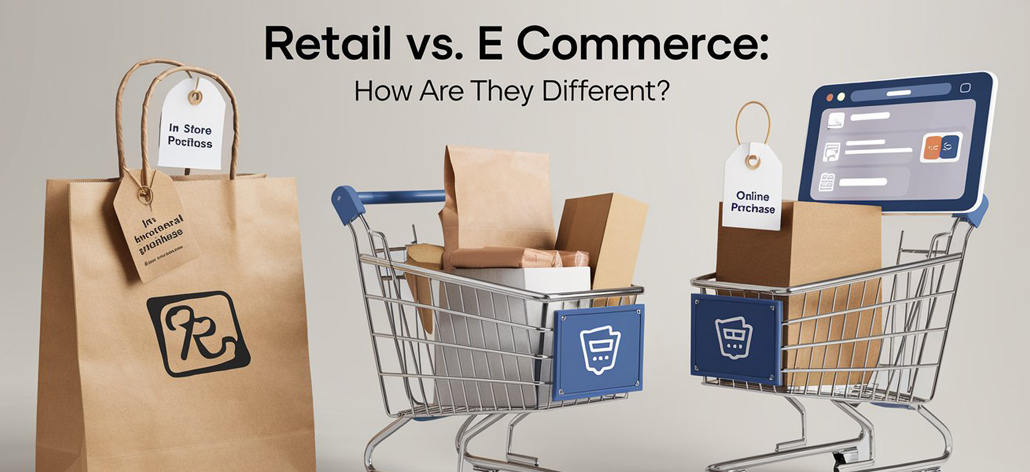
The retail landscape is evolving, with businesses facing the choice between traditional brick-and-mortar stores or expanding into the e-commerce space. In today’s digital-first world, understanding the key differences between retail and e-commerce is essential for business owners, especially when it comes to choosing the right tools to manage sales. For retailers using Hike’s all-in-one POS system, this comparison can help clarify which model works best for their business needs.
What is Retail?
Retail refers to the process of selling goods directly to consumers through physical stores. It’s a traditional business model where customers visit a physical location, interact with sales staff, try out products, and make purchases on the spot. Retail has been the backbone of the global economy for centuries, offering tangible experiences and instant gratification.
- In-Store Experience: Retail provides customers the ability to see, touch, and try products before making a purchase. This tactile experience is a big draw for many shoppers.
- Personalized Service: Many brick-and-mortar stores offer personalized experiences, with sales assistants guiding customers and recommending products.
What is E-Commerce?
E-commerce, on the other hand, involves buying and selling products online. This business model has exploded in popularity due to convenience, the ability to reach a global audience, and the ability to shop at any time of day or night.
- Online Shopping Convenience: E-commerce allows businesses to sell products across the globe, offering a level of convenience that traditional retail cannot match.
- Lower Overhead Costs: Without the need for physical storefronts, e-commerce businesses can often operate with lower overhead costs, focusing on inventory and digital marketing instead.
Key Differences Between Retail and E-Commerce
Location and Reach
- Retail: Traditional retail businesses are often restricted by geography, typically serving customers within a specific area or region unless they have multiple store locations. This limits their potential customer base to those who can physically visit the store. While a strong local presence can build brand loyalty and community, it also means that retailers miss out on customers outside their immediate vicinity.
- E-Commerce: In contrast, e-commerce offers businesses a much broader reach with no geographic limitations. Online stores allow customers from anywhere in the world to browse and purchase products at any time, providing a global marketplace that traditional retail can’t match. This ability to sell across borders increases a brand’s potential customer base and opens up new revenue streams.
Customer Interaction
- Retail: In traditional retail, customer interaction is face-to-face, allowing for immediate feedback and personalized service. Shoppers can ask questions, receive advice from sales associates, and try retail products before buying, which creates a more personal and immediate shopping experience.
- E-Commerce: In e-commerce, interactions are primarily virtual, with customer service provided through chatbots, email, or call centers. While these channels offer convenience, they lack the personal touch of in-store service, and responses may take longer, especially for complex inquiries.
Shopping Experience
- How They’re Similar: Both retail and e-commerce businesses utilize strategies such as merchandising and product curation to create a compelling shopping experience and showcase products in an attractive manner. In both settings, brand identity plays a crucial role in building customer trust, ensuring consistency, and fostering familiarity with the brand. Whether in-store or online, maintaining a strong brand presence is key to engaging customers and enhancing their overall shopping journey.
- How They’re Different: In e-commerce, shoppers depend on product descriptions, images, and customer reviews to guide their purchasing decisions. Unlike in-store shopping, where customers can physically examine products, online shoppers often take time to research and compare prices across different websites, helping them find the best deals. This extra layer of decision-making provides more flexibility but can also lead to longer purchasing cycles as customers weigh their options.
Inventory and Fulfillment
Retail is ideal for brands that prioritize in-person experiences, allowing immediate customer feedback and hands-on product interaction. This model often depends on real-time, on-site inventory management to keep stock readily available for customers. In contrast, e-commerce offers the advantage of expanded reach and convenience, enabling customers to shop from anywhere, anytime. E-commerce relies on centralized inventory management systems that synchronize stock across multiple locations or warehouses, ensuring efficient fulfilment and minimizing stockouts across online platforms.
Which Model is Right for Your Business?
The decision between retail and e-commerce isn’t always clear-cut. Many businesses find success using both models to complement each other. A hybrid approach—also known as omnichannel retail—combines the best of both worlds, offering a physical presence and an online shopping experience.
- For Retailers: Those with established physical stores may find it beneficial to expand into e-commerce, allowing them to reach a broader audience beyond their local area. This approach enables retailers to attract new customers who prefer online shopping while maintaining their loyal in-store customer base. Offering both options provides convenience and flexibility, enhancing the overall customer experience.
- For E-Commerce Sellers: Established e-commerce businesses may want to open a physical store to build their brand and provide an experiential shopping environment. A physical presence allows customers to interact with the products directly and offers a unique opportunity to strengthen brand recognition and trust. It also creates a personal connection with customers, which can lead to greater brand loyalty.
Retail is ideal for brands looking to provide an in-person experience with immediate customer feedback and hands-on product interaction, often requiring real-time, on-site inventory management to ensure stock availability. E-commerce, however, offers the advantage of expanded reach and convenience, allowing customers to shop from anywhere, anytime, with centralized inventory management systems that synchronize stock across multiple locations or warehouses.
The Benefits of an Omnichannel Approach
An omnichannel approach enables businesses to create a seamless and consistent experience for customers across both physical and digital channels. By integrating online and offline sales, businesses can engage their customers wherever they are, ensuring that no matter how they choose to shop, they receive the same high-quality service and product offering. This unified approach not only meets customer expectations but also allows businesses to stay relevant in an increasingly digital world.
Check out this to know more about Omnichannel
Additionally, an omnichannel strategy fosters deeper customer loyalty and boosts sales by offering greater convenience and flexibility. As customers can interact with a brand through various touch points—whether it’s making a purchase online, checking stock in-store, or receiving support through mobile apps—businesses build stronger relationships with their audience. This enhanced connectivity ultimately drives customer satisfaction and encourages repeat business.
How Hike Bridges the Gap
For retailers considering making the leap into e-commerce, Hike’s Retail POS system offers seamless integration between in-store and online sales. With features that support multiple retail channels, Hike ensures businesses can manage both brick-and-mortar and e-commerce operations efficiently.
- Unified Inventory:, You can manage stock levels across both physical and online stores in real-time, ensuring your inventory is always synchronized and up-to-date with our retail POS system. This unified approach prevents stockouts, overselling, and confusion for customers, providing a seamless shopping experience across all sales channels. It also helps retailers make informed decisions by offering insights into inventory turnover and demand trends across locations.
- Streamlined Operations: Our POS allows retailers to use a single, integrated system for tracking sales, managing reports, and processing payments, regardless of whether transactions occur in-store or online. This consolidation eliminates the need for separate systems, saving time and reducing errors. With centralized data and analytics, retailers can easily access detailed performance reports, enabling better decision-making and efficient business scaling.
- Multi-Channel Support: Designed to support growth, our POS integrates with major e-commerce platforms like Shopify, BigCommerce, and WooCommerce, ensuring your POS system scales alongside your business. This multi-channel functionality allows you to reach a broader audience while maintaining a unified experience for customers. Our POS system not only adapts to your needs but also provides the flexibility to expand seamlessly into new online marketplaces as your business grows.
Conclusion: The Future of Retail and E-Commerce
The lines between retail and e-commerce continue to blur. With innovations like Hike’s integrated POS system, businesses can leverage the power of both models to optimize their operations and meet customer expectations. Whether you’re in retail, e-commerce, or both, adopting the right tools and understanding your audience’s needs is the key to success in this dynamic marketplace.