
What is a POS System? How does it work?

What is a POS System? How does it work?
Running a retail store requires a dependable companion – and that’s where the POS ( point of sale) system comes in. Imagine it as the important part of your checkout process, streamlining everything from ringing up sales to accepting payments. But do you know what POS is exactly?
This blog will guide you to the world of POS systems, explaining what it is, how it started and how these solutions empower you to manage your store’s back office with greater efficiency.
Let’s get started.
- What is a POS system?
- What are the features of POS Systems?
- What is the Importance of POS Systems?
- Benefits of using a POS System?
- Advanced Features of the POS System and its Advantages?
What is a POS System? How does it work?
Introduction to POS (Point of Sale) Systems
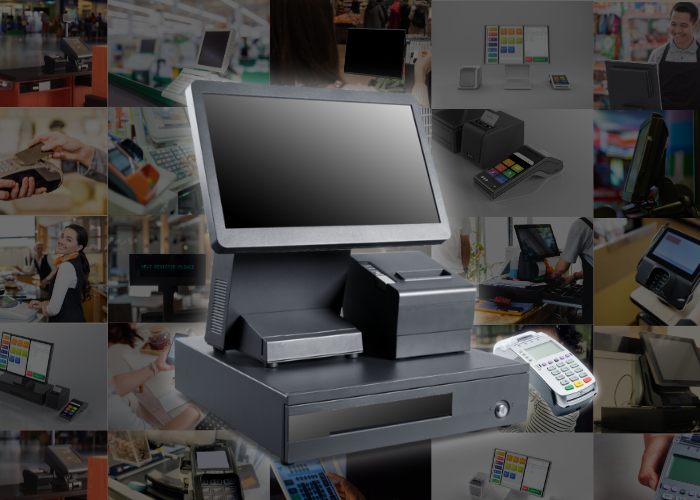
A POS device processes transactions for retail customers. Traditional cash registers are a form of POS, though they’ve largely been replaced by electronic POS terminals capable of handling credit and debit card transactions in addition to cash.
A POS can be a physical device in a brick-and-mortar store or a checkout point in an online store.
POS software is becoming increasingly advanced, offering features that help retailers monitor inventory and buying trends, track pricing accuracy, and gather marketing data.
Features of POS Systems
Modern POS software has become more sophisticated, providing numerous features that benefit retailers. These features include:
- Inventory Monitoring: POS systems help track stock levels and buying trends.
- Pricing Accuracy: They ensure prices are accurate at the point of sale.
- Marketing Data Collection: Retailers can gather valuable data for marketing purposes.
Key Takeaways
- Payment Execution: A POS is where customers pay for goods or services and where sales taxes may be applicable.
- Transaction Versatility: POS transactions can be completed in person or online, with receipts provided either in print or electronically. Cloud-based POS systems are gaining popularity among merchants.
- Interactive Systems: Especially in the hospitality industry, POS systems allow customers to place orders, make reservations, and pay bills electronically.
Importance of POS Systems
Points of sale (POS) is an important focus for marketers because consumers often make purchasing decisions on high-margin products or services at these strategic locations. Traditionally, businesses place POSs near store exits to boost impulse purchases as customers leave. However, varying the locations of POSs can provide retailers with more opportunities to micro-market specific product categories and influence consumers earlier in the sales funnel.

Strategic Placement
For example, department stores might have separate POS systems for different product categories like appliances, electronics, and clothing. Staff at these stations can actively promote products and assist customers with purchase decisions, rather than merely processing transactions. Additionally, the format of a POS can influence consumer behavior by providing flexible purchase options.
Benefits of POS Systems
Electronic POS systems streamline retail operations by automating transactions and tracking sales data. Basic systems include an electronic cash register and software to manage data from daily purchases. More advanced setups may include card readers and barcode scanners, enhancing functionality.
Key Benefits
- Data Tracking: Retailers can monitor pricing accuracy, inventory changes, gross revenue, and sales patterns.
- Discrepancy Management: Integrated technology helps identify pricing or cash flow discrepancies, preventing profit loss and sales interruptions.
Inventory and Trends: Monitoring inventory and buying trends helps avoid out-of-stock issues and tailors purchasing and marketing to consumer behavior.
Advanced POS Features
Modern POS systems are often programmable or can be enhanced with third-party software, allowing customization to meet specific needs. For instance, many retailers use POS systems to manage membership programs that reward frequent buyers with points and discounts

Cloud-Based Systems
Cloud-based POS systems are increasingly used by large online merchants to handle numerous transactions. These systems reduce the initial costs of implementing a POS system, making them accessible to more businesses.
Customer Interaction
In the hospitality industry, POS systems enable direct customer interaction. Known as location-based technology, these systems allow transactions at customer locations. For example, restaurant customers can view menus and place orders from terminals at their tables. In hotels, similar terminals enable guests to order room service or pay bills directly.
POS System Innovations
To stay competitive, POS display manufacturers focus on improving aesthetics and designing innovative products. The competitive retail industry drives the demand for custom-made POS displays that meet specific needs across different retail environments. Customization in aesthetics, capacity, and mobility can significantly enhance a company’s brand recognition.
Historical Context of POS Systems
The first POS system, the cash register, was invented by James Ritty, a saloon owner in Ohio, in 1879. This invention allowed for better transaction recording and bookkeeping. Ritty sold his invention to National Cash Register (NCR) Corp. five years later.
Advantages of POS Systems
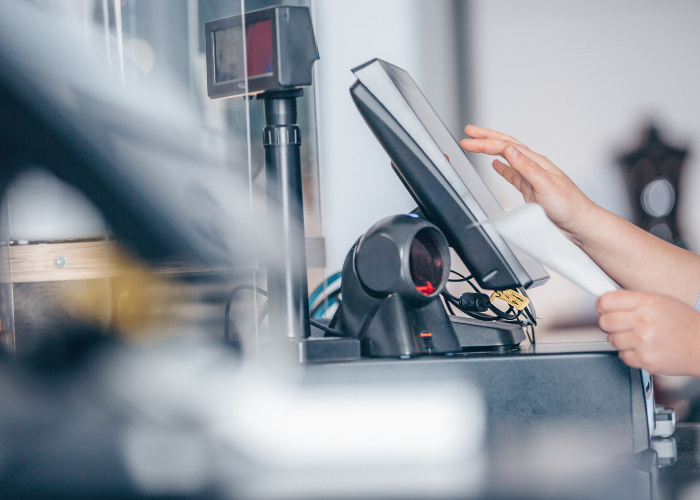
POS systems offer several advantages, including:
- Inventory Management: Improved tracking and management of inventory, which keeps you informed about necessary purchases, stock shortages, inter-store transfers, and more.
- Security: Enhanced security features for transactions.
- Data Access: 24/7 access to sales and transaction data.
- Cost Reduction: Reduction in operational costs through automation.
- Price consistencyMaintain price consistency across multiple store locations by accessing a digital product database.
- Track staff’s activities easily: Easily track staff activities and link them to specific transactions for performance evaluation.
- Optimized Checkout Process with Barcode Scanners: Optimize checkout with barcode scanners, speeding up transactions and integrating with loyalty programs.
- Accurate Point of Sale Reporting: Generate accurate point of sale reports to monitor sales trends and identify areas for improvement.
- Insights into Business ROI: Understand business ROI through insights on best-selling products, top-performing stores, high-margin items, successful sales reps, effective marketing campaigns, and peak sales seasons.
These many benefits & advantages inspire small businesses & make POS an important part of their business. Learn why every small business needs POS Software (click here)
Conclusion
A POS (point of sale) system is important for processing transactions in both physical and online stores. Modern POS software provides valuable features for monitoring inventory, tracking sales trends, and collecting marketing data. Despite some disadvantages, the benefits of POS systems, such as improved inventory management and enhanced security, make them a crucial component of modern retail operations.