
Cloud POS: Future of Retail Management | Benefits & Trends
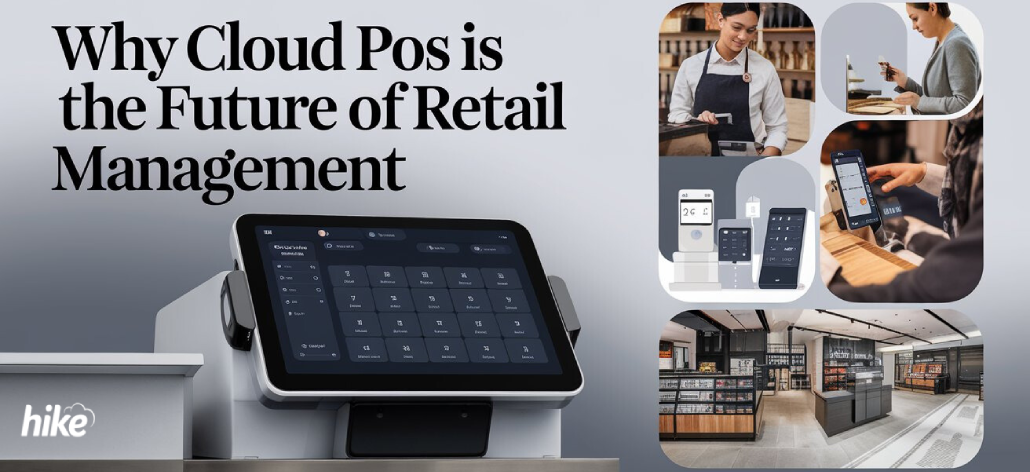
As the retail landscape evolves, technology plays a pivotal role in driving efficiency, customer satisfaction, and business growth. One such innovation is the cloud POS system, which has transformed how businesses manage their operations. Whether you’re running a bakery, pet store, or a multi-store retail chain, this solution offers flexibility, scalability, and ease of use.
Unlike traditional POS systems, cloud-based POS operates through the internet, allowing businesses to access their data anytime, anywhere. From inventory management to seamless e-commerce integration, it equips retailers with tools to streamline processes, improve decision-making, and adapt to modern retail demands.
Enhanced Inventory Management
Inventory management is at the heart of retail success. Keeping track of stock, predicting demand, and avoiding overstock or understock issues can be challenging, especially for growing businesses. A cloud POS simplifies this by providing real-time inventory tracking. Retailers can monitor stock levels across multiple locations and replenish items before they run out.
For example, a bakery POS system can track ingredients like flour and sugar while recording product sales to identify bestsellers. Similarly, a pet store POS can ensure that popular items like pet food and toys are always in stock. With accurate inventory data, businesses can reduce waste, save costs, and improve profitability.
Additionally, cloud POS systems allow businesses to set automated alerts for low-stock items, manage supplier relationships, and even forecast inventory needs based on historical sales data. These features are vital for businesses that want to stay competitive in a fast-paced retail environment.
Streamlined Multi-Store Operations
Managing multiple locations is a significant challenge for retailers. Traditional systems often require manual updates, which can lead to inconsistencies and errors. A multi-store POS system powered by the cloud eliminates this issue. It syncs data across all stores in real time, providing a centralized platform for managing sales, inventory, and customer information.
Retailers can allocate stock between stores, analyze sales trends across locations, and even set different pricing strategies for each outlet. It ensures that all outlets operate efficiently while giving business owners full visibility into their operations.
Integration with E-Commerce
In today’s digital age, having an online presence is essential for retail success. A cloud POS system integrates effortlessly with e-commerce platforms, allowing businesses to manage their online and offline operations from a single dashboard.
Whether you run a physical store, an online shop, or both, integration ensures that your inventory, sales, and customer data are always in sync. This not only simplifies management but also provides customers with a consistent shopping experience across all channels. For instance, it connects with popular platforms like Shopify, WooCommerce, and BigCommerce, making it a versatile solution for retailers venturing into e-commerce.
Flexibility and Mobility with Android POS
Retailers today need solutions that adapt to their unique requirements. An Android POS system offers mobility and convenience, allowing businesses to serve customers from anywhere within their store or even on the go. This is particularly useful for pop-up shops, trade shows, or businesses with large retail spaces.
Moreover, Android POS systems are cost-effective as they work seamlessly with tablets and smartphones, reducing the need for expensive hardware investments. Paired with cloud technology, these systems enable retailers to access their POS system from any Android device, ensuring flexibility and reliability.
Cost-Effective Hardware and Scalability
Investing in a cloud-based POS system doesn’t mean overhauling your existing setup. Most solutions, including Hike, are compatible with a wide range of hardware like barcode scanners, receipt printers, and cash registers. Retailers can integrate their current hardware, making the transition smooth and cost-effective.
Additionally, cloud POS systems are designed to grow with your business. As you expand, you can easily add new stores, products, or features without significant downtime or extra costs. This scalability ensures that the system supports your business at every stage of growth.
Advanced Features for Modern Retailers
Retail businesses require more than just a basic point-of-sale system. Features like customer relationship management (CRM), loyalty programs, and detailed reporting are essential for staying competitive. A cloud POS system provides these tools in a single platform, helping retailers build stronger relationships with their customers and make informed decisions.
With advanced analytics, retailers can identify top-performing products, peak sales periods, and customer preferences. This data is invaluable for creating targeted marketing campaigns and improving overall store performance. Whether you’re running a pet store, a bakery, or a fashion boutique, these insights can help you stand out in a crowded market.
Why Hike is the Ideal Choice
If you’re looking for a reliable and feature-rich retail POS system, Hike is a top contender. It offers real-time inventory management, seamless e-commerce integration, and support for multi-store operations—all within a user-friendly platform.
Designed for various industries, from bakery POS systems topet store POS, Hike provides the flexibility and tools needed to streamline operations and enhance customer experiences. Plus, with a free 14-day trial, you can explore its features risk-free and see how it fits your business needs.
Conclusion
The future of retail management lies in adopting innovative technologies that simplify operations and improve efficiency. A cloud POS system offers unparalleled flexibility, scalability, and insights, making it the ideal solution for modern retailers. By investing in a robust solution like Hike, businesses can stay ahead of the curve and deliver exceptional customer experiences.