
Future of in-store payment processing
Technology is continuing to evolve at an exponential rate and the changes can be difficult to keep up with. There always seems to be some new software or hardware to get to grips with and the payment processing industry is no exception. Whilst we have already seen some massive leaps in where, how and when we can make payments, we can expect considerably more developments in the next decade.
A brief look at the history of payment processing system can tell us a lot about how far the industry has come in such a short time. The original payment processing terminals began life as a simple system comprising of a low-powered processor, keypad, single-line display and modem. They were not able to support any external devices like pin pads or printers. The rapid evolution to customer-facing terminals a few years later saw the introduction of color displays, pin pads and sexy 32-bit processors. The change was akin to going from a Nokia 6210 to an iPhone.
But of course, tech-types didn’t stop there, and the better technology becomes, the more consumer expectations grow. Streamlining payments to make them simpler and more secure is part of creating an efficient, non-invasive and high-quality spending experience. In order to keep businesses successful and customers happy we need to embrace these demands. To do this we must ensure that our payment processing devices and POS systems have the capability to accept these new technologies.
So what direction can we expect payment processing technology to take?
Currently, almost all customer-facing terminals systems accept smart cards. These are the credit/debit cards that have the microchip in that mean that customers only need to enter their personal pin number into a keypad to make a payment. A more recent development is the growing preference for contactless payment which just requires close proximity between your smart card and the terminal. Usually used for smaller payments, some credit card companies and banks have actually capped spending limits which adds to the strong security measures the system has in place.
Both chip and pin and contactless transactions work with regular cash registers. However, they are also exceptionally well-suited to cloud POS owing to their portable nature. With transactions being undertaken on an iPad or other mobile POS device, cashless payments can be made anywhere, anytime. An added benefit of cloud-based POS is that receipts can be emailed directly to the customer, streamlining the process further
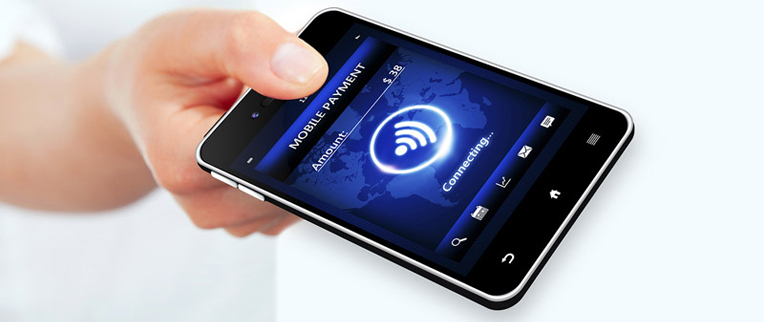
As we move into the future one form of payment processing that is predicted to become extremely popular is the ability to make payments using your mobile phone. Using a process known as near field communication (NFC for short), experts believe that many of us will embrace this new system as a secure way to make transactions, eliminating the need for credit cards and cash altogether.
There is no definite way to predict the future of payment processing technology. However, we can be certain that consumer demand and expectation will continue to grow. Whether your POS is currently traditional or cloud-based, being able to adapt to new developments is going to be vital to the sustainability and growth of your business.