
Hyper-Personalization in Retail: Strategies, Benefits & Examples
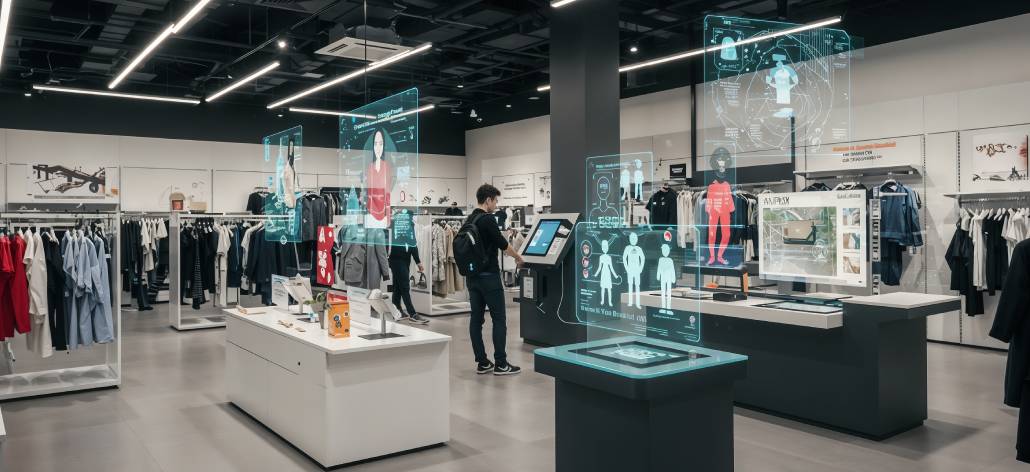
In today’s competitive retail landscape, customers expect more than generic shopping experiences. They want brands to understand their individual preferences, anticipate their needs, and deliver tailored experiences that feel uniquely crafted for them. This demand has given rise to hyper-personalization, a revolutionary approach that’s transforming how retailers connect with their customers and drive business growth.
Understanding Hyper-Personalization in Retail
Hyper-personalization represents the next evolution of customer experience, going far beyond traditional personalization methods like using a customer’s name in emails or showing basic product recommendations. It leverages advanced technologies including artificial intelligence, machine learning, and real-time data analytics to create individualized experiences that adapt dynamically to each customer’s behavior, preferences, and context.
Unlike conventional retail personalization, which typically relies on demographic data and purchase history, hyper-personalization incorporates real-time behavioral data, contextual information, and predictive analytics. This comprehensive approach enables retailers to deliver precisely relevant content, products, and experiences at the exact moment customers are most likely to engage and purchase.
The foundation of hyper-personalization lies in data integration and analysis. Modern retail systems collect vast amounts of customer data from multiple touchpoints including website interactions, mobile app usage, in-store purchases, social media engagement, and customer service interactions. When this data is processed through sophisticated AI algorithms, it reveals intricate patterns and preferences that enable unprecedented levels of customization.
Key Strategies for Implementing Hyper-Personalization
Real-Time Data Integration and Analysis
Successful hyper-personalization requires seamless integration of customer data across all touchpoints. Advanced POS systems and customer relationship management platforms enable real-time sync of purchase history, browsing behavior, and interaction patterns. This comprehensive data foundation allows retailers to understand customer journeys holistically and respond with relevant experiences instantaneously.
Modern retail technology stacks include cloud-based systems that process customer data in real-time, enabling immediate personalization adjustments. For example, when a customer browses specific product categories online and then visits a physical retail store, staff can access this information to provide informed recommendations and tailored service experiences.
AI-Powered Predictive Analytics
AI in retail has revolutionized how businesses anticipate customer needs and preferences. Machine learning algorithms analyze historical purchase patterns, seasonal trends, and individual customer behavior to predict future purchasing intentions with remarkable accuracy. This predictive capability enables proactive personalization that surprises and delights customers.
Retailers implementing AI-driven personalization often see significant improvements in conversion rates, average order values, and customer satisfaction scores. The technology continuously learns from customer interactions, refining its predictions and recommendations to become increasingly accurate over time.
Dynamic Content and Product Recommendations
Hyper-personalization extends beyond product recommendations to encompass dynamic content adaptation across all customer touchpoints. Websites, mobile apps, email campaigns, and even in-store digital displays can adjust their content based on individual customer profiles and real-time behavior signals.
This dynamic approach ensures that customers always encounter the most relevant information, whether they’re browsing online, shopping in-store, or interacting through mobile channels. The seamless experience across all touchpoints creates a cohesive brand experience that reinforces customer loyalty and drives repeat purchases.
Real-World Examples of Hyper-Personalization Success
Amazon’s Recommendation Engine
Amazon’s sophisticated recommendation system exemplifies hyper-personalization at scale. The platform analyzes customer browsing history, purchase patterns, search queries, and even time spent viewing specific products to generate highly accurate product suggestions. Their “Customers who bought this item also bought” feature and personalized homepage create unique shopping experiences for each user.
The system’s effectiveness is evident in Amazon’s revenue attribution, with personalized recommendations driving approximately 35% of their sales. This success demonstrates how hyper-personalization can significantly impact business performance when implemented effectively.
Netflix’s Content Personalization
While not traditional retail, Netflix’s approach to content personalization offers valuable insights for retailers. The platform analyzes viewing history, search patterns, time of day preferences, and even pause/rewind behavior to curate personalized content recommendations for each subscriber.
Netflix’s algorithm considers over 1,300 recommendation clusters and personalizes everything from thumbnail images to content categories displayed on each user’s homepage. This level of personalization has contributed to exceptional user engagement and retention rates.
Starbucks’ Mobile App Experience
Starbucks has successfully implemented hyper-personalization through their mobile app, which accounts for a significant portion of their transactions. The app analyzes purchase history, location data, time preferences, and weather conditions to provide personalized drink recommendations and promotional offers.
The loyalty rewards program integrates seamlessly with personalization features, offering customized challenges and rewards based on individual customer behavior. This approach has strengthened customer relationships while driving increased frequency and spend per visit.
Technology Infrastructure for Hyper-Personalization
Multi-Channel Data Integration
Successful hyper-personalization requires robust technology infrastructure that can collect, process, and analyze data from multiple channels simultaneously. Multi store operations particularly benefit from unified systems that maintain consistent customer profiles across all locations and touchpoints.
Modern retail management systems provide the foundation for this integration, enabling real-time synchronization of customer data, inventory information, and transaction histories. This unified approach ensures that personalization efforts remain consistent regardless of how or where customers choose to interact with the brand.
Advanced POS Systems and Customer Data Management
Contemporary POS systems serve as crucial data collection points for hyper-personalization initiatives. These systems capture detailed transaction information, customer preferences, and behavioral patterns that feed into broader personalization engines.
Advanced POS solutions offer features like customer recognition, purchase history access, and personalized promotion application during checkout. Sales associates can access customer profiles to provide informed recommendations and tailored service experiences that enhance overall satisfaction.
Privacy and Data Security Considerations
Implementing hyper-personalization requires careful attention to customer privacy and data security. Retailers must establish transparent data collection practices, obtain appropriate consent, and implement robust security measures to protect sensitive customer information.
Successful personalization strategies balance customization benefits with privacy concerns, allowing customers to control their data usage preferences while still delivering valuable personalized experiences. This approach builds trust and encourages customers to share the data necessary for effective personalization.
Measuring Success and ROI
Key Performance Indicators
Effective hyper-personalization strategies require comprehensive measurement frameworks to assess impact and guide optimization efforts. Key metrics include conversion rate improvements, average order value increases, customer lifetime value growth, and engagement rate enhancements.
Advanced analytics platforms provide detailed insights into personalization performance, enabling retailers to identify successful strategies and areas for improvement. These insights inform iterative optimization processes that continuously enhance personalization effectiveness.
Customer Satisfaction and Loyalty Metrics
Beyond traditional sales metrics, hyper-personalization success should be measured through customer satisfaction scores, Net Promoter Scores, and loyalty program engagement rates. These indicators reflect the quality of personalized experiences and their impact on long-term customer relationships.
Regular customer feedback collection and analysis provide valuable insights into personalization effectiveness from the customer perspective. This feedback helps retailers refine their approaches and ensure that personalization efforts genuinely enhance customer experiences rather than creating perceived intrusion.
Future Trends and Evolution
The future of hyper-personalization in retail continues evolving with advancing technology capabilities. Emerging trends include voice commerce personalization, augmented reality shopping experiences, and Internet of Things integration that provides even more contextual customer data.
Retailers who invest in hyper-personalization capabilities now position themselves advantageously for future market developments. The technology and data infrastructure required for current personalization efforts will serve as the foundation for next-generation customer experience innovations.
Conclusion
Hyper-personalization represents a fundamental shift in how retailers approach customer relationships and experience design. By leveraging advanced technologies and comprehensive data analysis, retailers can create individualized experiences that drive engagement, loyalty, and business growth.
Success in hyper-personalization requires strategic investment in technology infrastructure, careful attention to privacy considerations, and commitment to continuous optimization based on customer feedback and performance metrics. Retailers who embrace this approach will differentiate themselves in competitive markets while building stronger, more profitable customer relationships that drive sustainable business success.