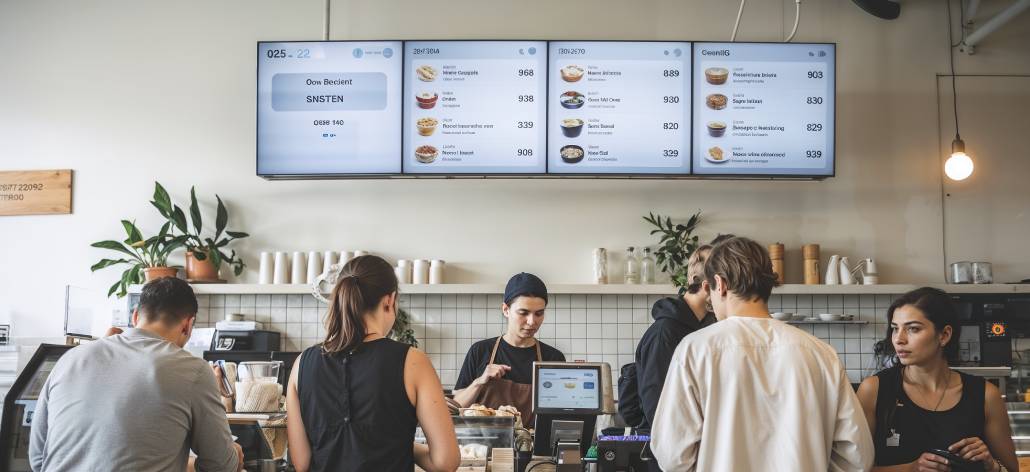
POS and Accounting Integration: Simplify Finances in 2025

POS and Accounting Integration: Simplify Finances in 2025
POS system integrated with accounting software dashboard

In 2025, running a small business is all about working smarter, not harder. If you’re still manually entering sales data into your accounting software, you’re wasting time and risking errors that could cost you. Integrating your POS (Point of Sale) system with accounting software is a game-changer for small business owners, retailers, and entrepreneurs. It streamlines operations, saves time, and gives you a clearer picture of your finances. In this blog, we’ll explore the top benefits of POS and accounting software integration, why it’s a must in 2025, and how it can help your business thrive—all in a way that feels approachable and actionable.

Why their Integration Matters in 2025

Let’s face it: managing a business comes with its challenges. With rising costs, tighter margins, and the need for real-time insights, small business owners can’t afford to juggle disconnected systems. POS and accounting software integration connects your sales data directly to your financial records, eliminating manual data entry and giving you a seamless workflow. Whether you’re running a retail store, or a franchise, this integration can transform how you manage your finances.

The Growing Trend of Integration

According to recent industry trends, over 70% of small businesses are adopting integrated systems to stay competitive. With cloud-based POS systems and accounting tools like QuickBooks Online, Xero, and MYOB leading the charge, integration is easier than ever. Businesses that don’t integrate risk falling behind—both in efficiency and profitability.

Top Benefits of Integration

Let’s dive into the key benefits of POS and accounting software integration. These advantages can save you time, reduce stress, and help your business grow in 2025.

1. Save Time with Automated Data Syncing

Manually entering sales, refunds, and inventory data into your accounting software is a thing of the past. When you integrate your POS with accounting software, all your transactions sync automatically in real time. Imagine this: a customer buys a product, the sale is recorded in your POS, and—bam!—it’s instantly updated in your accounting system. No more late nights spent reconciling numbers.

This automation is a lifesaver for small business owners who wear multiple hats. Instead of spending hours on bookkeeping, you can focus on growing your business, whether that’s launching a new product or improving customer service.

2. Reduce Errors and Improve Accuracy

Human error is inevitable when you’re manually transferring data. A misplaced decimal or forgotten transaction can throw off your financial reports and lead to costly mistakes. POS and accounting software integration eliminates these risks by ensuring your sales, taxes, and inventory data flow seamlessly into your accounting system.

For example, if you’re running a clothing store and sell 50 items in a day, an integrated system ensures every sale, return, and discount is accurately recorded. This accuracy is crucial for tax season, financial audits, and even day-to-day decision-making.

3. Get Real-Time Financial Insights

Real-time data is everything. An integrated POS and accounting system gives you a live view of your business’s financial health. Want to know your daily sales, profit margins, or cash flow? It’s all at your fingertips with a few clicks.

This real-time visibility helps you make smarter decisions. For instance, if you notice a product isn’t selling well, you can run a promotion to clear inventory. Or, if your cash flow is tight, you can adjust your spending. These insights are especially valuable for businesses with multiple locations that need a multi-store POS to track performance across locations seamlessly.

4. Simplify Tax Compliance and Reporting

Tax season can be a nightmare for small business owners, but integrating your POS with accounting software makes it a breeze. Your sales data, including GST or VAT, is automatically categorized and recorded, ensuring you’re always compliant with tax regulations. This is especially helpful for businesses using GST-ready POS systems in 2025.

Plus, generating financial reports—like profit and loss statements or balance sheets—becomes effortless. You can export these reports directly from your accounting software, saving you time and reducing the risk of errors during tax filing.

5. Streamline Inventory Management

Inventory management is a critical part of running a retail business, and integration makes it even easier. When your POS and accounting software are connected, inventory updates—like stock levels, cost of goods sold (COGS), and product margins—are automatically reflected in your financial records.

For example, if you run a bakery and sell out of croissants, your POS updates the inventory, and your accounting software adjusts the COGS accordingly. This ensures your financials are always aligned with your stock, helping you avoid discrepancies and plan better for restocking.

6. Enhance Scalability for Growing Businesses

As your business grows, so do your operational needs. An integrated POS and accounting system scales with you, whether you’re opening a second location or expanding your product line. For instance, multi-store POS systems can sync data across all locations, while integrations with eCommerce platforms like Shopify or WooCommerce ensure your online and in-store sales are tracked together.

This scalability is crucial, as more small businesses adopt omnichannel strategies to reach customers both online and offline. Integration ensures you’re ready to grow without the growing pains.

How to Choose the Right POS and Accounting Software for Integration

Not all POS and accounting software integrations are created equal. Here are a few tips to ensure you pick the right tools for your business:

  • Check Compatibility: Make sure your POS system integrates seamlessly with popular accounting software like QuickBooks Online, Xero, or MYOB.
  • Look for Cloud-Based Solutions: Cloud POS systems offer real-time syncing and remote access, which are essential for modern businesses.
  • Prioritize Support: Choose a POS provider with 24/7 customer support to help you troubleshoot any integration issues.
  • Consider Your Industry: If you run a specific type of business like a bakery, clothing store, or coffee shop since look for a POS system tailored to your needs.

It’s the time to Integrate them

The business landscape demands efficiency, accuracy, and agility. Integrating your POS with accounting software isn’t just a nice-to-have—it’s a must-have for staying competitive. From saving time to improving financial accuracy, the benefits are clear. Plus, with advancements in cloud technology and integrations, setting up this connection has never been easier.

So, if you’re ready to take your small business to the next level, start exploring POS and accounting software integration today. Your future self (and your accountant) will thank you!

Final Thoughts

Integrating your POS with accounting software is a no-brainer for small business owners who want to save time, reduce errors, and make smarter decisions. Whether you’re running a retail store, a franchise, or an eCommerce business, this integration can help you streamline operations and focus on what matters most—growing your business. Ready to get started? Look for a cloud-based POS system that offers seamless integrations, robust support, and features tailored to your industry.

Get started today

Ready to get started with Hike?

Try Hike free for 14 days. Instant access, no credit card, no risk.

  • 14-day free trial
  • No credit card
  • Cancel anytime