What is Geo Targeting in Retail? A Complete Guide


In today’s dynamic and competitive retail sector, the ability to personalize customer interactions has become a fundamental requirement for sustained growth and customer loyalty. Among the various strategies employed to achieve this personalization, geo targeting has emerged as a particularly effective tool. By enabling retailers to disseminate location-specific content and offers, this approach fosters deeper customer engagement and directly contributes to increased sales revenue.
Geo targeting represents a sophisticated marketing strategy centered on the delivery of tailored content and promotional materials to consumers based on their precise geographic location. This method allows retailers to refine their messaging to resonate with the unique characteristics of specific regions, cities, or even local neighborhoods. Consequently, promotions become more relevant and timely, such as advertising weather-appropriate merchandise or offering geographically relevant discounts, thereby enhancing their appeal to the intended audience.
What is Geotargeting?
Geotargeting is a marketing strategy that involves delivering content or advertisements to consumers based on their geographic location. This approach allows retailers to tailor their messaging to specific regions, cities, or even neighborhoods, ensuring that promotions are relevant to the local audience. For instance, a retail store can promote weather-appropriate clothing or regional discounts, making ads more appealing and timely.
How Geotargeting Works in Retail
Retailers implement geotargeting through various technologies:
- IP Address Targeting: Determines a user’s location based on their internet protocol address.
- GPS and Mobile Data: Utilizes smartphone GPS data to pinpoint exact locations, enabling real-time marketing messages.
- Wi-Fi and Bluetooth Beacons: Detects nearby devices within a store or specific area to trigger location-based notifications.
By integrating these technologies with retail POS systems, businesses can synchronize inventory management and marketing efforts, ensuring that promotions align with available stock and local demand.
Benefits of Geotargeting for Retailers
- Enhanced Relevance: Tailoring messages to local preferences increases the likelihood of customer engagement.
- Higher ROI: Focusing on specific geographic areas allows for more efficient budget allocation, reducing waste on irrelevant audiences .
- Increased Foot Traffic: Promoting location-based offers can drive more customers to physical stores.
- Improved Inventory Management: Aligning promotions with local inventory levels prevents stockouts and overstock situations.
- Personalized Customer Experience: Delivering relevant content based on location enhances the shopping experience, fostering customer loyalty.
Implementing Geotargeting in Your Retail Strategy
To effectively utilize geotargeting:
- Analyze Customer Data: Understand where your customers are located and their purchasing behaviors.
- Segment Your Audience: Create customer segments based on geographic data to tailor marketing messages.
- Integrate with POS Systems: Ensure your retail POS system supports geotargeting capabilities for seamless operations.
- Test and Optimize: Continuously monitor the performance of geo targeted campaigns and adjust strategies accordingly.
Real-World Example
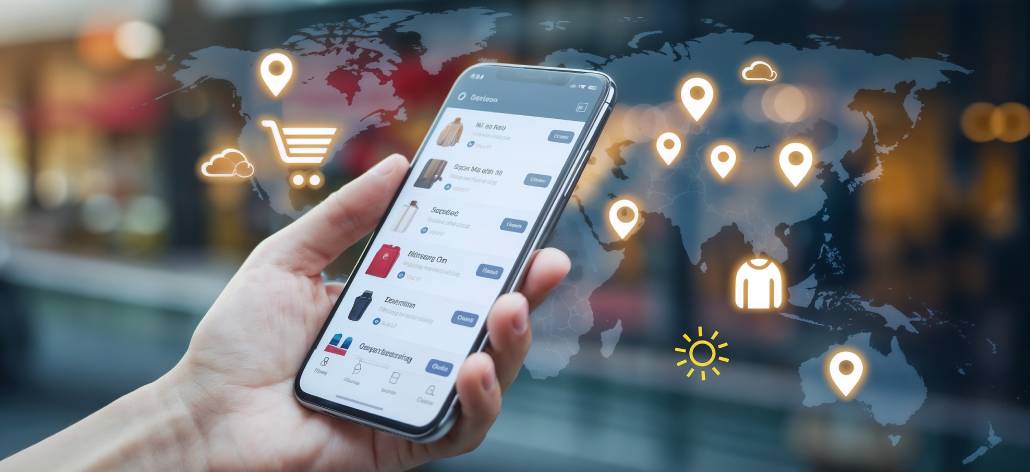
Consider a clothing retailer with stores across multiple cities. By analyzing local weather patterns and sales data, the retailer can promote raincoats in regions expecting rainfall and summer wear in sunnier areas. This targeted approach ensures that marketing efforts resonate with local customers, leading to increased sales and customer satisfaction. As a multi-store retail organization, the utilization of regional data enables optimized inventory management and promotion customization for individual store locations.
Conclusion
Geotargeting stands out as a vital asset for retailers striving to create individualized shopping journeys. By focusing on the delivery of content and promotions tailored to specific locations, businesses can significantly boost customer interaction, streamline their inventory processes, and ultimately achieve greater sales figures.
As the retail landscape progresses, incorporating well-defined geotargeting strategies will prove crucial for maintaining a competitive edge in the years to come. This localized approach enables retailers to connect with their customer base on a more personal level, ensuring that marketing efforts are both relevant and impactful within specific geographic areas.