
ما تحتاج إلى مراعاته قبل شراء درج نقود
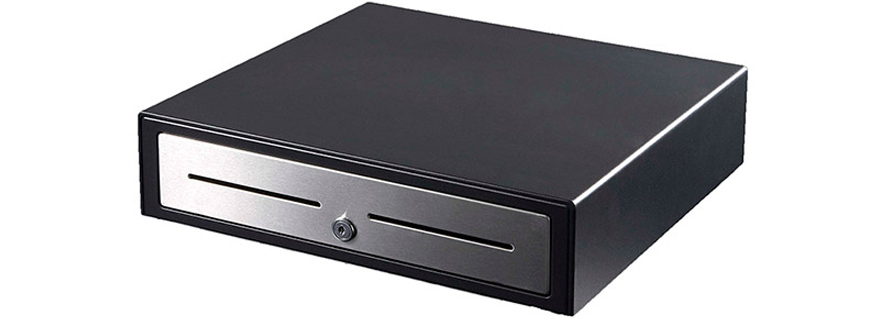
حتى مع الاستخدام المتزايد للبطاقات بفضل انتشار نقاط بيع iPad في مشهد التجزئة، لا يزال كثير من الناس يفضلون استخدام النقد للمشتريات الصغيرة. النقد يعني أدراج النقود؛ لا مفر منها، لكن هل درج النقود هو مجرد درج نقود، أليس كذلك؟ خطأ! التأكد من اختيار الدرج المناسب أمر بالغ الأهمية لمشروعك التجاري، وإليك السبب.
1. تشغل أدراج النقود مساحة، ولا نتحدث فقط عن الموضع الفعلي للدرج نفسه. تذكّر أن تأخذ في الحسبان مسافة الفتح وإلا قد تجد نفسك محاصراً بين درج مفتوح وحائط! من أهم فوائد نقاط بيع iPad أنه بدلاً من صناديق النقد الضخمة، يمكنك إجراء المعاملة على iPad، ما يعني أن أدراج النقود يمكن وضعها بعيداً عن الطريق.
2. فكّر في مقدار الاستخدام الذي سيتلقاه درج النقود الخاص بك لأن هذا قد يشير إلى النوع المناسب لاحتياجات مشروعك التجاري.
تتوقع حركة خفيفة إلى متوسطة؟ فكّر إذاً في طراز قياسي الخدمة. تأتي عادة بضمان يمتد حوالي عامين، وتستخدم آلية تعليق بعجلات دوّارة موثوقة. اختُبرت لتتحمل حوالي مليون معاملة إلكترونية أو 300 ألف معاملة يدوية، ما يعني أنها ستكون استثماراً اقتصادياً لمشروع صغير إلى متوسط الحجم.
إذا كنت تأمل - ولنكن صريحين من منّا لا يأمل؟ - أن يكون درج النقود الخاص بك قيد الاستخدام لمعظم يوم العمل، فقد ترغب في الاستثمار في طراز شديد التحمل. مع ضمانات ممتدة وآلية انزلاق كروية فولاذية متينة، يمكنها تحمل الاستخدام المستمر. بالإضافة إلى ذلك، صُممت لتحمل ملايين المعاملات، لذا طالما الدولارات تتدفق، سيستمر درج النقود الخاص بك في العمل.
3. ما مقدار مساحة الدرج التي تحتاجها؟ تأكد من أن النوع الذي تختاره يتسع لجميع الأوراق النقدية والإيصالات والعملات المعدنية التي تتوقع استلامها - وأكثر! إذا كان درجك صغيراً جداً، ستضطر إلى تفريغ النقد بشكل أكثر تكراراً، ما يزيد من خطر الأخطاء وربما الاختراقات الأمنية. تأتي بعض أدراج النقود بأقسام قابلة للتعديل، وأدراج عملات قابلة للإزالة، وحاجزات للأوراق النقدية. قد تحتوي إصدارات أساسية أخرى على هذه كإضافات اختيارية.
4. تأكد من توافق أدراجك مع نظام نقاط البيع الخاص بك. للأسف، ليس هناك مقاس واحد يناسب الجميع، وقد تحتاج إلى البحث بعناية عمّا إذا كان نظام نقاط البيع الخاص بك يعمل مع اختيارك المفضل لدرج النقود.
5. فكّر في كيفية تعامل نظام نقاط البيع الخاص بك مع المعاملات غير النقدية. بعض الأنظمة تفتح الدرج تلقائياً لأي عملية بيع، بغض النظر عن طريقة الدفع. أخرى تبقي الدرج مغلقاً، لكن لديها فتحات وسائط متكاملة تتيح لك إدخال إيصالات بطاقات الائتمان وبطاقات الهدايا والشيكات. يشكّل هذا النوع خطراً أمنياً أقل بكثير وهو خيار جيد إذا كان نظام نقاط البيع لديك يتيح لك إبقاء الدرج مغلقاً.
6. يختلف أمان الدرج حسب النوع والتصميم والتكلفة، ويتراوح من أقفال الدرج اليدوية البسيطة إلى مقصورات القفل المخفية المتطورة. الأمان أمر بالغ الأهمية لأي مشروع تجاري، لكنه يأتي بثمن ويمكنك أن تتوقع أن تعكس التكلفة مستوى الحماية الذي تريد تحقيقه. كلما كان درج النقود أضخم وأثقل، كلما كان اختراقه أصعب أيضاً!
7. ستضطر إلى دفع مالك الذي كسبته بجهدك لإتمام عملية الشراء. مع أدراج النقود التي تبدأ من 100 دولار مناسبة مالياً وتتراوح حتى نحو 500 دولار، قد تحتاج إلى مراعاة مرونة ميزانيتك لاتخاذ اختيار مناسب لنظام نقاط البيع لديك.
مهما كان نظام نقاط البيع الذي تستخدمه، هناك درج نقود مناسب لك. نأمل أن تكون هذه المقالة مفيدة في اتخاذ القرار الصحيح لمشروعك التجاري.