
Guide to crafting the perfect work email
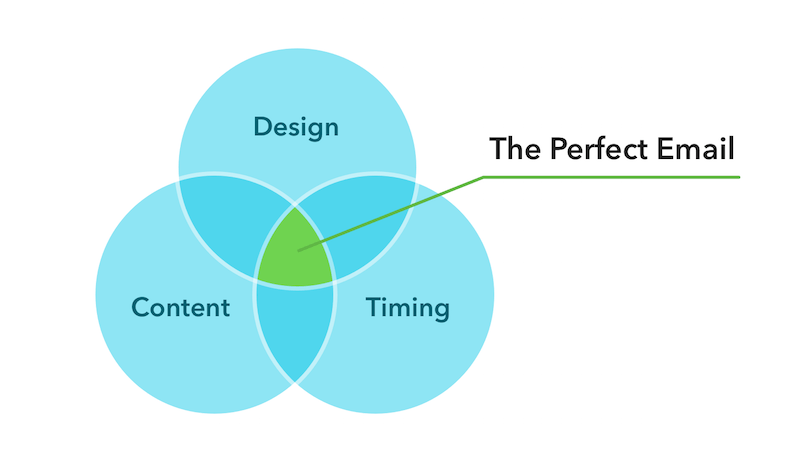
The art of crafting the perfect email is no easy feat.
Whether you’re wondering if you haven’t clearly made your point to worrying if you’ve committed an accidental faux pas, the nerves a person can face after sending an email is very real (and perfectly normal!).
To alleviate some of those pressures, we’ve compiled several of our favorite tips & tricks to help you write emails that not only sound great but gets you the responses you’re after.
Short & Sweet
Whilst deep down we all probably see ourselves as the next Stephen King or Jane Austen, writing emails isn’t a medium for us to write the next Pulitzer winning novel. Long narratives and descriptive imagery is certainly not required and our most pertinent piece of information shouldn’t come at the end.
Instead, the best way to approach an email is short & sweet, getting out the relevant information right away with the five W’s (who, what were, when and why) being featured prominently. In fact, the best way to think about writing an email might be as a news journalist.
Keep the juicy information at the top, and don’t bury the lede! Write an email where you know the reader won’t be bored by needless information. The aim here is to ensure you’ve got their attention and can keep it. If you’ve finished an email, and notice that it is quite long even after a trim, perhaps consider how you deliver that message – perhaps its best suited as a phone call?
Insert: Unambiguous subject line
A preamble to the short and sweet email however, is of course the subject line. It’s amazing to think that some people might spend more time crafting the perfect subject line than they do writing the actual email, but such is the importance placed on the line that it’s imperative that it’s done right.
Again though, the answer is to keep compose a few words or a short sentence that accurately relays the purpose and urgency of the email. In various instances, you might want to consider writing a subject line that contains the objective. For example, if you’re emailing a coworker about getting a coffee, your subject line might read ‘Let’s grab a coffee?’
Or if it’s an action that you need the other person to complete – such as signing a document or making a decision – you should write that action in the subject line as well. Know who your emailing to as well, in the sense of whether you can be informal to a close work colleague compared to keeping it professional with a client.
Review, Review, Review!!!
It’s important to review any type of work to you do, but especially in emails – because there’s no take-backs! Don’t fall into the trap of getting hooked to a stream of consciousness that sounds so great, that you feel confident enough to not read over before you hit SEND.
Taking a step back, to go over your email is invaluable for several reasons; one it enables you to proofread your work more thoroughly. Spell-checks are convenient, but they don’t always account for phrasing, or typos.
But more importantly, reviews can give you the time you need to make sure your work makes sense. There’s nothing worse than sending an email, only to get a reply asking for clarification. As per our short & sweet ethos, make sure your email cuts directly to the point, no unnecessary words and is understandable, not just to you but the person you are sending it to.
Keep it Clean
This may seem self-explanatory but it’s often been the cause for significant workplace problems. Aside from the usual language warnings, to judge the cleanliness of your email, you should first ask yourself if you would be comfortable if anyone else in the organization was to read it.
Voicing a strongly worded opinion of a colleague or robust criticism of a boss, isn’t just a recipe for an awkward workplace environment. It could potentially lead to disciplinary actions and even libel actions. Whether you feel as though your feelings are justified, an email is not the place to voice them.
Be Prompt
There’s a lot to be said about knowing when to send an email. Getting that quick response may just be a matter of timing, and using that to your advantage can enhance your own productivity.
To that end research has shown that most people check their emails during the morning 8am-10am period, Tuesday-Friday. This of course make sense, when you consider most people will check their emails at their desk, when they arrive in the morning. Sending your message at that time is a great way to increase your chances of getting prompt reply.
However, avoid sending emails during off-hours. Where mobile technology has given people the convenience of 24/7 email connectivity, responding to emails on weekends and late at night, might not illicit a quick response. You could send an email at 6pm on a Saturday to a colleague, who might view it, but not reply and ultimately forget that it even existed once he/she returned to work on Monday.
Avoid, miscommunication by following common sense etiquette, and sending your emails in the morning.
To become inundated with emails to the point of having OCD in needing your inbox to read zero unread messages is widespread. Such is our reliance with this form of communication that it becomes easy to fall into the trap of writing emails without checking it for clarity. By keeping these tips in mind, you might just find that the pitfalls you can fall into whilst writing an email, can be avoided.