
How to create a kickass Media Kit for your business
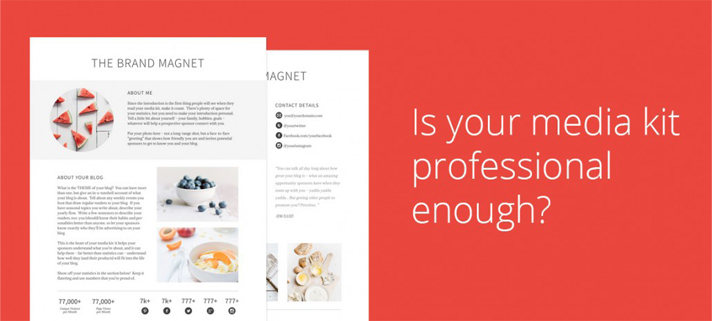
For every business no matter how large or small, publicity is a fantastic way to raise your profile. Not only will this drive increased traffic to your store or website, but it also gives you the opportunity to tap into a whole new supply of customers. As such, publicity is a highly valuable asset and should be used wisely in order to maximise its positive effects. The possibility of getting your product or service into an article or blog post is exciting, and the more prominent the publication, the more exposure your business will receive.
Another added benefit of publicity is that it adds credibility to your business or brand, as being featured in newspapers, industry magazines or on websites allows you to use their logo on your own website and marketing materials. This kind of ‘social proof’ helps foster trust from potential customers and other people who are not familiar with your business.
Despite all of the positives that come from building relationships with the media, actually getting approached by and written about by these influential publications is not always straightforward. However, it is much more likely if your business has an accessible media kit.
What is a Media Kit?
You might be more familiar with the term ‘press kit’, which for many people immediately conjures up images of packs of information detailing company profiles. The actual premise hasn’t changed too much, but as publicity is now available on so much more than just printed press, many businesses are now opting to use the term ‘media kit’ instead.
There are three main goals of any media kit and these are:
- Grab readers attention
- Make a lasting impression
- Incite interest that makes the reader want to contact you for more information
In short, a media kit is basically a resume for your business, but produced in such a way that if fulfils the same criteria as any other compelling content found online – it is either useful, informative or entertaining – and ideally all three!
Having a media kit on your website makes it far easier for anyone who is interested in your business to find a snapshot of what you are all about. People who may want to write about your business are not necessarily just journalists, but could include bloggers, product reviewers and more. Having an overview of the basic information that they need will help them make a quick and informed decision as to whether or not your business or brand fits the profile that they want to write about. They are significantly more likely to choose to feature a business that has a readily-prepared media kit as this saves them valuable research time.
A business that has such information readily available to anyone that is interested also demonstrates an open and honest company ethos, which reflects well when creating new relationships with clients and other businesses.
When it comes to placing your media kit on your website, the most common location is with smaller company information in the footer rather than in the main navigational bar. You will also have to decide if you wish your media kit to be available as html or a downloadable (and printable) PDF.
What is needed to create a kick ass media kit?
What goes into your media kit is likely to vary depending on the type of business you are in, and what product or service you offer. However, there are a number of things that should be considered to be staple elements of any successful press kit. These include:
- A large, hi-resolution image of your business logo/branding, preferably with a transparent background. A company or brand logo can be one of its key identifying features. Incorporating it into your media kit means that publications can easily use it in any of their material, therefore increasing the profile of your business. If possible, you should also try to include a download of the raw vector file too.
- Your business story should be told in no more than three paragraphs. You should explain what inspired your business, what your vision for it was and what continue to drive it. This is also a good time to share any mission statements or influential stages of its development.
- Facts and figures are important to the majority of publications, and one of the most popular ways of portraying them is by using infographics. The sort of information that you can share includes how long you have been in business, where your offices are, who your target demographic is etc. The options are limitless, but you should focus on the facts that you think people will be most interested in.
Media kits are often important to investors, so it would also be a good idea to share positive turnover, growth and profit figures if you feel they would be suitable, along with any investor-related news.
- Team biographies are a great way for people to get to know the brains behind your business. We aren’t talking about every single team member, but chief officers, owners and senior management should definitely get a mention, as should anyone who has a particularly interesting story about how they got involved in your organization. Include photographs of these staff to help humanize your company further.
- If your business has a unique spelling or arrangement of letters/capitalization, then you should definitely specify how you want your company, brand or product names to appear in publications.
- Finally, if you have examples of other press that you have received you should include them here. These don’t have to just be printed publications, but could also include press releases, interviews, blog posts and links to videos or vlogs. This will be useful to potential publications as they will be able to see where your business has been featured previously and what information was shared.
Other optional things that you may wish to include in your media kit could include:
- Information about any industry awards or other recognition that your business has received.
- Details of any non-profit work that your business is involved in, and any charities that you support. If you chose specific charities for a reason, then you may want to share the story behind that reason too.
- A “what they are saying about us” section gives you the opportunity to share client testimonials or reviews of your product.
- If you have a separate email address for media enquiries then you should include it here, making sure that you state that you are available for follow up questions or interviews.
Great Media Kit Examples
Just in case you still aren’t sure what goes into creating a great media kit, listed below are some examples of some organizations that have got the right idea.
Buzzfeed
LuminAID
Presenting your Media Kit
Whilst we have mostly looked at how to create an online media kit, it is important to remember that you should have a printable version available too. Whilst most people are happy to receive and read information online, there will always be people who prefer a printed version, or occasions where you need to present a copy of it there and then.
Ensure that your presentation is perfect as the information and style in which you produce it is consistent with the online version, and that you keep a small stock of them at all times. If environmental consciousness or sustainability registers highly on your company radar, then make sure you use recycled paper and sustainable inks etc.
Some organizations also have their media kits available on a flash drive, which may be another method of presentation that you wish to have available.
Many PR professionals say that having a good press kit is just as important as having a good website and online presence. Brainstorm with your team to decide what information you need to share in order to create a kick ass media kit for your business.