
Choosing the right image for your website

As the saying goes, a picture is worth a thousand words and the images on your website are no exceptions. The images that go on to your online presence make a statement about your business, brand or discussion topic. And so it is important to carefully consider image use as a way of enhancing the experience that your audience has when they visit your site.
It only takes seconds for us to create our initial impressions of an image, and if we dislike it then there is an even chance that we may not even bother to read the text. The images used online should set the tone and style of your business reducing the need to waffle to explain who you are and what you do, and most importantly, they should inform and affirm the message that your business portrays. With integrated online store and POS software, this becomes even more crucial task at hand.
Here is the information that you need to know in order to ensure that you are choosing the right images for your website.
Images are content too
One of the critical mistakes in website creation is focusing on aesthetics rather than content. Many people add in images because they feel that a page needs a picture to break up the text, and all too often the image is irrelevant and contributes nothing to the content.
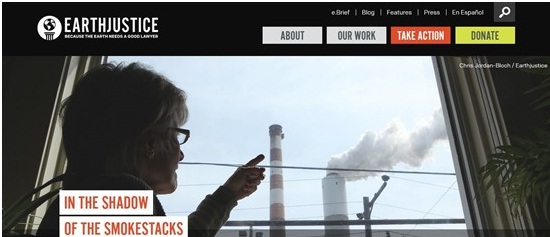
Ensure that your picture reflects the message that your page portrays. One way of knowing if your website achieves this is to consider the picture alone without the text. Can you still grasp the message that the web page portrays? If your image does not tell the same story as the text content on your page then it is time to consider replacing it. Your images should enhance the content that is there and add depth to the directive.

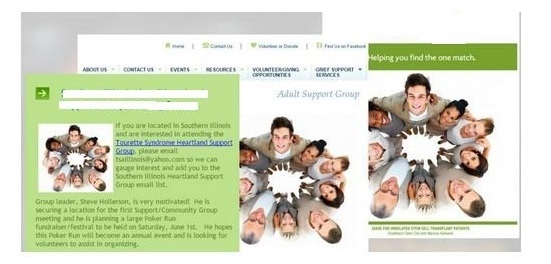
By comparison, stock photographs are often extremely vague which means that they can be applied to countless websites across a variety of industries. For example an image of shaking hands could just as easily be incorporated on a doctor’s website as on pages for a manufacturing business. They provide no substance to support the content of the page, nor do they reflect any personality or originality.

Images should be relevant
As we have said, the images that you use reflect the directive of the page. If you have a clear and concise message that you are trying to portray, then you need clear and concise images to support this. However you also need to be as specific as possible, aligning your images with the concept of the page rather than an overall topic. For example, for a website for Cloud based point of sale (POS) systems you should be looking for images that focus on the POS system in action in a store or restaurant, as opposed to the generic appeal of white fluffy clouds. Your images should tell the customer exactly what your product does and how it does it.


Don’t be vague. If your images contribute nothing to your web pages then your audience may consider your business incapable of contributing to them either. They could also view your business as ineffective and directionless, just like your image choice.

Images should be real and relatable
A primary focus of any business should be connecting with their customers, and it is vital that they can identify with your brand, your ethos and mission. However in order for them to do this they first need to be able to relate to your content, and as we have already discussed, your images should be classed as content too.
One of the simplest ways of getting your audience to relate to you is to use real people in your images, and if possible, real people that are linked to your company. Customers, volunteers and staff members are all viable ways to make your audience feel like they can connect with you on a more personal level. Want to showcase your product in action? What better way than to ask one of your key staff members to wear it, use it or demonstrate it for a photograph? Make sure that your subject makes eye contact with the camera, but keep the poses as natural as possible, perhaps even using candid shots if they look portray the message you are aiming for.

Unless you are uploading images to an online store, avoid standalone product images or staged items as these look cold, fake, uninspiring and offer nothing for the audience to connect with.

Size is important!
One of the most off-putting things a website can do is to use images where the sizing does not fit with the web page. Having to scroll to see the full image is annoying and looks unprofessional. Similarly there is no point in showing an image of a man wearing your watch design if the detail on the product is miniscule and it is not immediately obvious what you are promoting. The key identifying feature within your image should immediately draw your focus.

Be as original as possible
One of the biggest risks you take by using stock photographs is that another company could be using the exact same images on their web pages. This can look unprofessional, particularly if the other businesses offer similar products or services to your own. Similarly, not being prepared to put time and money into creating original images could be perceived as lazy and uncommitted, something no business wants to be portrayed as.

Instead try and opt for honest images of situations and people within your organisation. They will feel authentic, show dedication and commitment towards your product or service and will help build real trust with your audience.

Make sure your images are legal
The legality of image use can be a bit of a minefield if you do not know the technical terms that are used. Using photographs without consent can breach copyright laws and could potentially land you in hot water. As a rule of thumb:
• If an image is ‘copyright free’ or ‘public domain’ then it can be used freely without permission being needed.
• If an image is under a creative commons license then you are usually required to provide a photo credit/attribution to the original photographer within the text on the web page.
• Anything other than the above will require the express permission of the owner to use it.
If in any doubt at all, we recommend that you take or create your own images. They will be immediately protected by copyright laws, and you as the owner will be able to use them freely as you see fit.
We hope that you have found this to be a useful tool in creating and selecting the right images for your website.