Top 23 Advantages of using a cloud-based POS System

In today’s fast-paced and competitive business world, having the right tools can make all the difference. One such empowering tool for businesses, large and small, is the Point of Sale (POS) system. A POS system puts you in control, facilitating seamless transactions and providing a comprehensive suite of features designed to streamline operations, enhance customer experience, and boost profitability.
This blog will delve into the 23 advantages of having a POS system for your business.
Let’s Start !
1. Streamlined Sales Process
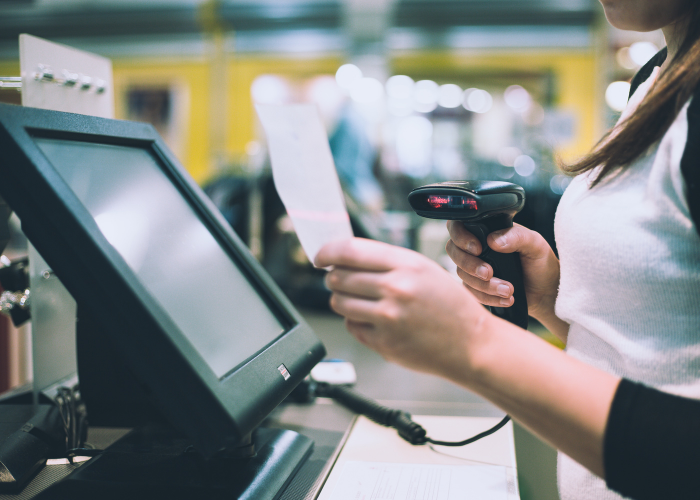
A POS system can greatly simplify the sales process. With its intuitive interface, employees can quickly process sales, apply discounts, and issue receipts.
This user-friendly system ensures that customers wait less, leading to higher satisfaction and repeat business. By making transactions faster and smoother, you can handle more customers in less time, increasing your overall sales.

2. Better Inventory Management
One of the biggest challenges for any business is managing inventory. A POS system provides powerful inventory management features that allow you to keep track of stock levels in real time.
You can set up automatic reorder points, track stock across multiple locations, and generate detailed inventory reports. This ensures you always have the right amount of stock on hand, reducing the risk of overstocking or running out of items.
3. Improved Customer Relationship Management (CRM)
Building and maintaining strong customer relationships is crucial for any business. A POS system includes a comprehensive CRM module that helps you manage customer information, track purchase history, and segment customers for targeted marketing campaigns.
By understanding your customers better, you can offer personalized experiences and improve customer loyalty. This leads to more repeat business and a higher lifetime value for each customer, showing that your business is customer-centric.
4. Multi-Channel Selling
Selling through multiple channels is essential in the age of e-commerce. A POS system supports multi-channel selling, allowing you to integrate your physical store with your online store, social media platforms, and marketplaces like Amazon and eBay.
This seamless integration ensures a consistent customer experience across all channels and maximizes your sales potential. You can manage all your sales channels from one system, making tracking of everything easier.
5. Efficient Employee Management
Managing employees can be challenging, especially in a busy retail environment. A POS system includes employee management features that enable you to track employee hours, manage shifts, and monitor sales performance. You can identify top performers, provide targeted training, and optimize staffing levels with detailed reports. This helps ensure that your store runs smoothly and that your employees are productive and happy.
6. Detailed Reporting and Analytics
Data-driven decision-making is key to business success. A POS system provides various reports and analytics that give insights into sales trends, inventory levels, customer behavior, and employee performance.
These reports help you identify opportunities for improvement, make informed decisions, and drive business growth. With access to all this data, you can make smarter choices about everything from marketing to inventory management.
7. Integration with Accounting Software
Keeping your finances in order is critical for any business. A POS system integrates seamlessly with popular accounting software like Xero and QuickBooks. This integration ensures that your sales data is automatically synced with your accounting software, reducing the risk of errors and saving you time on manual data entry. This makes your accounting processes more accurate and efficient, giving you more time to focus on running your business.
8. Mobility and Flexibility
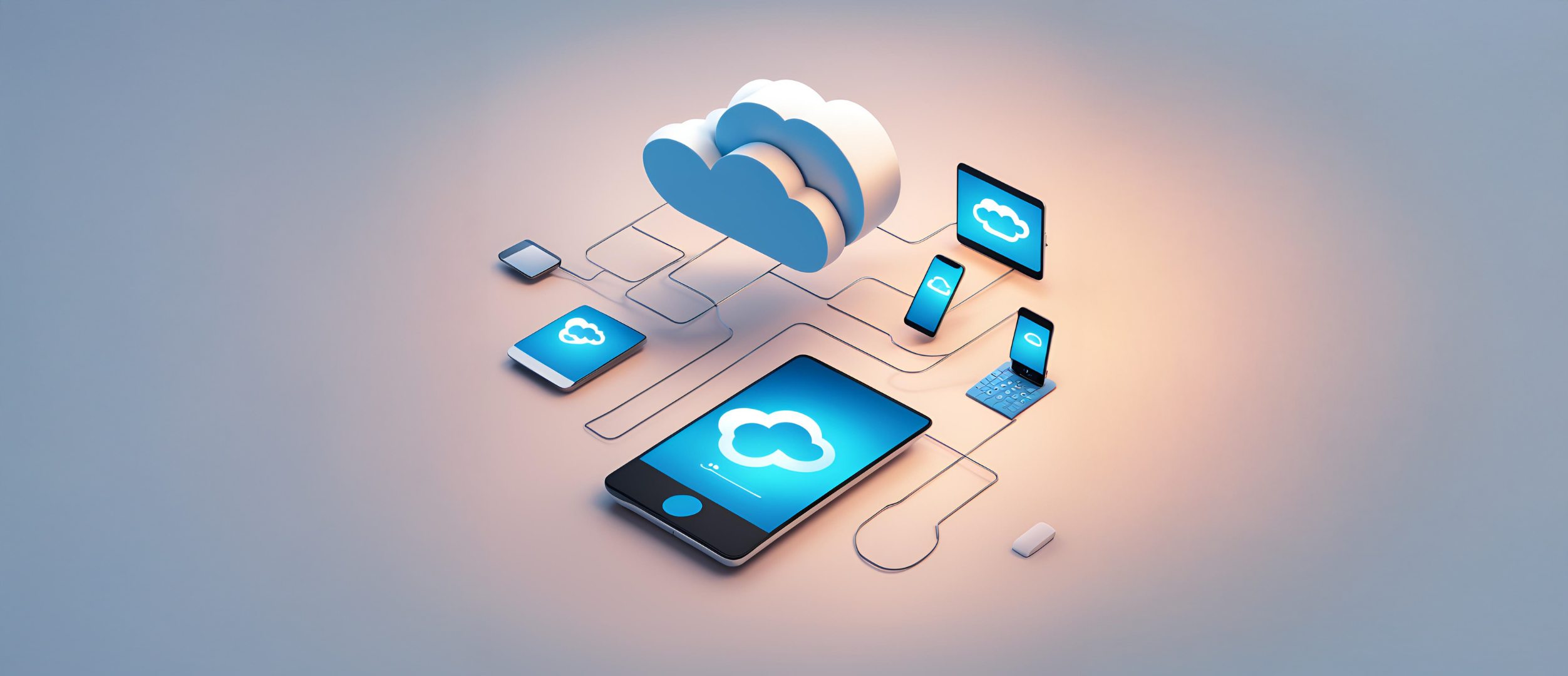
In today’s dynamic business environment, mobility and flexibility are essential. A cloud-based POS system allows you to access your data from anywhere. Whether at the store, at home, or on the go, you can easily manage your business.
Additionally, many POS systems are compatible with various devices, including tablets and smartphones, allowing you to choose the hardware that best suits your needs. This means you can take your business with you wherever you go.
9. Customizable Interface
Every business is unique, and a good POS system understands that. Many systems offer a customizable interface that allows you to tailor the POS to your specific needs. You can customize the layout, add or remove features, and set up user permissions to ensure the system works exactly how you want it to.
This flexibility means your POS system can grow and change with your business, adapting to your unique processes and requirements.
10. Loyalty Programs
Rewarding loyal customers is a proven strategy for increasing retention and boosting sales. A POS system enables you to set up and manage loyalty programs easily. You can create point-based or discount-based loyalty programs, track customer points, and offer personalized rewards to keep your customers returning.

These programs not only encourage repeat business but also foster a sense of loyalty and appreciation among your customers, helping you build a strong customer base.
11. Easy Setup and Training
Getting started with a new POS system can be daunting, but many systems make the process easy. They offer a straightforward setup process and provide comprehensive training resources, including video tutorials and support documentation.
With a user-friendly POS system, you can get your system up and running quickly and ensure that your staff is well-trained and confident in using the system. This minimizes downtime and helps you get back to business as usual.
12. Secure Payment Processing
Security is a top priority for any business handling customer payments. A good POS system offers secure payment processing and supports various payment methods, including credit cards, debit cards, mobile payments, and gift cards.
The system complies with the latest security standards, protecting your customers’ payment information. This helps you build customer trust and protect your business from fraud.
13. Scalability
As your business grows, so do your needs. A POS system is designed to scale with your business, allowing you to add new locations, users, and features as needed. This scalability ensures that your POS system can support your business at every stage of its growth. A good POS system can grow with you, whether you open a new store or expand your product line.
14. Real-Time Data Access
Access to real-time data is crucial for making informed business decisions. A POS system provides real-time access to sales, inventory, and customer data, allowing you to quickly monitor your business performance and respond to changes.
With this real-time data, you can stay ahead of the competition and make proactive decisions. For example, if a particular product is selling well, you can quickly reorder it to meet demand, or if a marketing campaign is not performing as expected, you can adjust it in real-time. This agility can give you a significant advantage in a fast-paced market.

15. Simplified Returns and Exchanges
Handling returns and exchanges can be complex, but a POS system simplifies it. The system allows you to process returns and exchanges quickly and accurately, ensuring customers have a smooth and hassle-free experience. This efficiency helps build customer trust and loyalty, essential for long-term success.
16. Enhanced Customer Experience
A great customer experience is key to driving repeat business. A POS system offers various features designed to enhance the customer experience, such as fast checkout, personalized promotions, and loyalty programs. Providing a seamless and enjoyable shopping experience can create happy customers who are more likely to return, leading to higher sales and a stronger reputation for your business.
17. Support for Multiple Payment Methods
Customers expect flexibility when it comes to payment options. A POS system supports various payment methods, including cash, credit/debit cards, mobile payments, and gift cards.
This flexibility ensures that you can cater to the preferences of all your customers, making their shopping experience more convenient. By offering multiple payment options, you can make it easier for customers to do business with you.
18. Marketing Tools
Effective marketing is essential for driving sales and growing your business. A POS system includes built-in marketing tools that help you create and manage email campaigns, promotions, and discounts.
You can target specific customer segments, track the performance of your campaigns, and adjust your strategies to maximize results. These marketing tools can help you reach more customers and drive more sales.
19. Comprehensive Support
Reliable support is crucial when encountering issues or having questions about your POS system. Many POS systems offer comprehensive support, including live chat, email, and phone support. The support team is knowledgeable and responsive, ensuring you get the help you need when needed. This peace of mind is invaluable, especially during busy times.

20. User-Friendly Interface
A POS system should be easy to use; many systems deliver on this front. They feature a user-friendly interface that is intuitive and easy to navigate. Employees with minimal technical experience can quickly learn to use the system, reducing training time and improving efficiency. This means you can spend less time training and more time serving customers.
21. Integration with E-Commerce Platforms
For businesses with an online presence, seamless integration between the POS system and e-commerce platform is essential. Many POS systems integrate with popular e-commerce platforms like Shopify, WooCommerce, and BigCommerce. This integration ensures that your online and offline sales data is synchronized, providing a unified view of your business. This makes it easier to manage your inventory and sales across all channels.
For Example – Hike POS is a cloud based pos which allows you to integrate your products from various platforms and manage your sales easily at one place.
22. Cost-Effective Solution
Investing in a POS system is a significant decision, but many systems offer a cost-effective solution that provides excellent value for money. The system’s comprehensive features, scalability, and ease of use ensure a high return on your investment.
Additionally, the cloud-based nature of many POS systems eliminates the need for expensive hardware and maintenance costs, making it an affordable option for businesses of all sizes.
23. Competitive Advantage
In a competitive market, having the right tools can give you a significant edge. A POS system provides a range of features and capabilities that help you operate more efficiently, understand your customers better, and make data-driven decisions. By leveraging the power of a POS system, you can gain a competitive advantage and position your business for long-term success. This can help you stand out from the competition and attract more customers.
Conclusion
A POS system can transform your business operations, enhance the customer experience, and drive growth. With its robust features, user-friendly interface, and scalability, a POS system is an excellent choice for businesses looking to streamline their processes and stay ahead of the competition. By taking advantage of the 23 benefits outlined in this blog, you can maximize your business’s potential and achieve your goals.
Click here to learn more about a POS (Point of Sale) system and take charge of your business.